Technology Explained
Farm Security Cameras: 26 Questions Buyers Actually Ask (Answered)
Solar vs wired, how many cameras, PTZ, AOV, winter, no WiFi, false alarms, theft — 26 farm camera questions answered, each with a deeper guide.
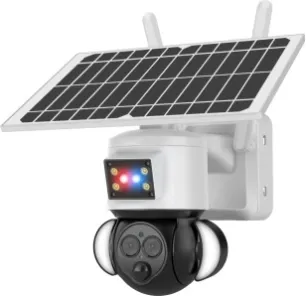
Who this round-up is for
- Farm and ranch owners researching systems or troubleshooting one already on the fence.
- Dealers and brand owners who answer the same questions every week.
- Buyers comparing options who want the short version now.
Buying and comparing
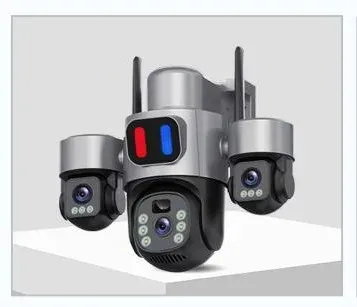
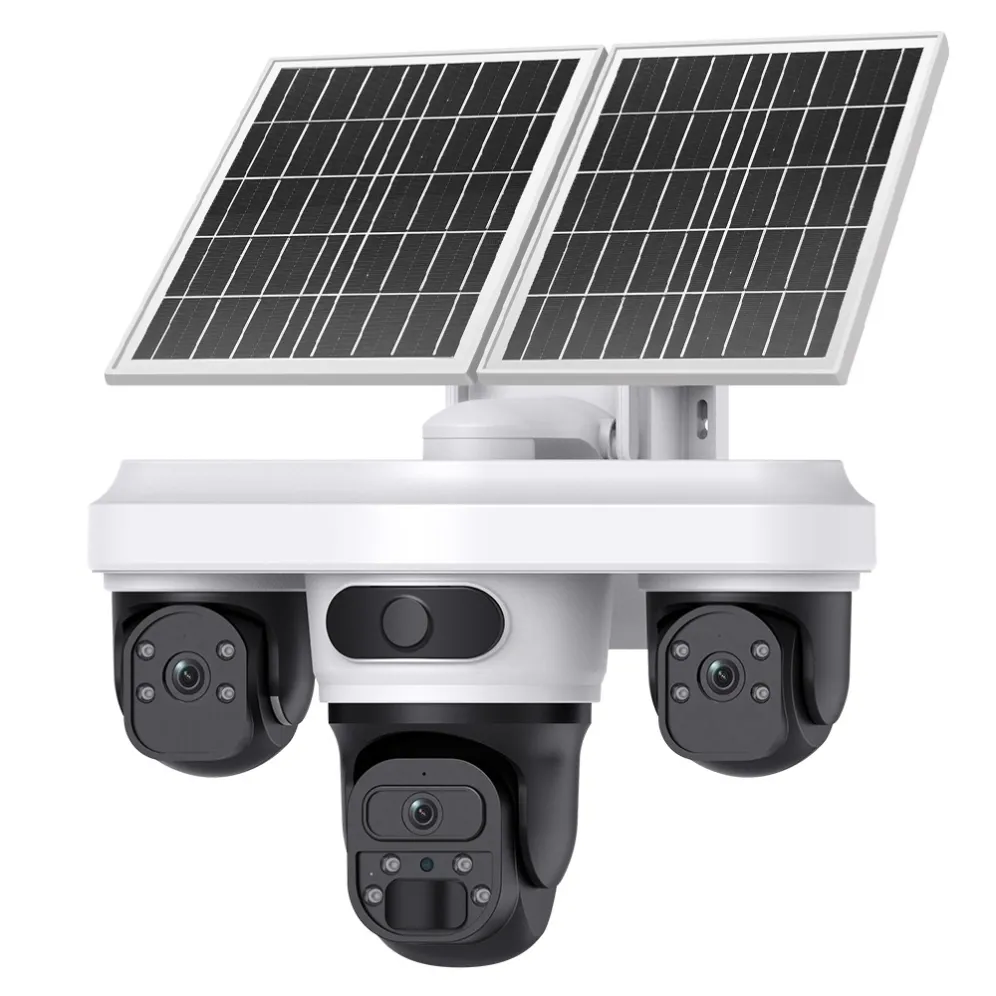
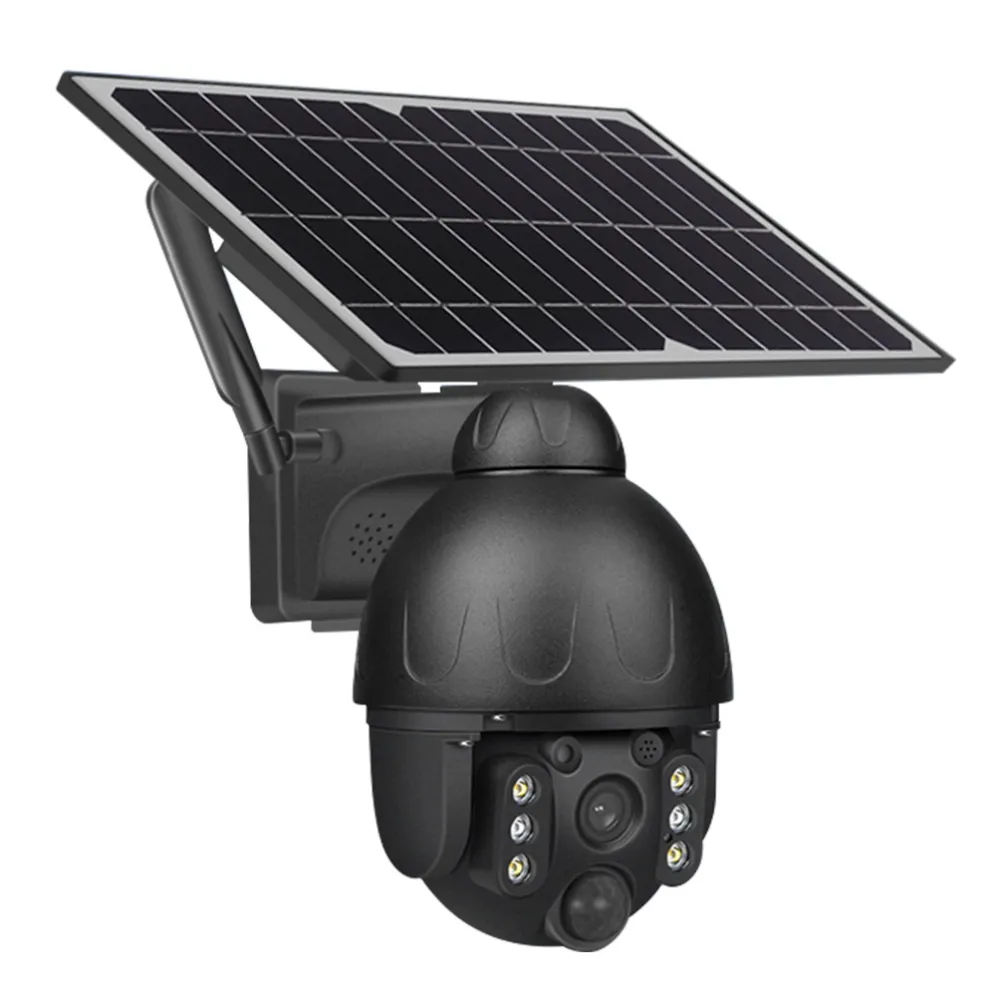
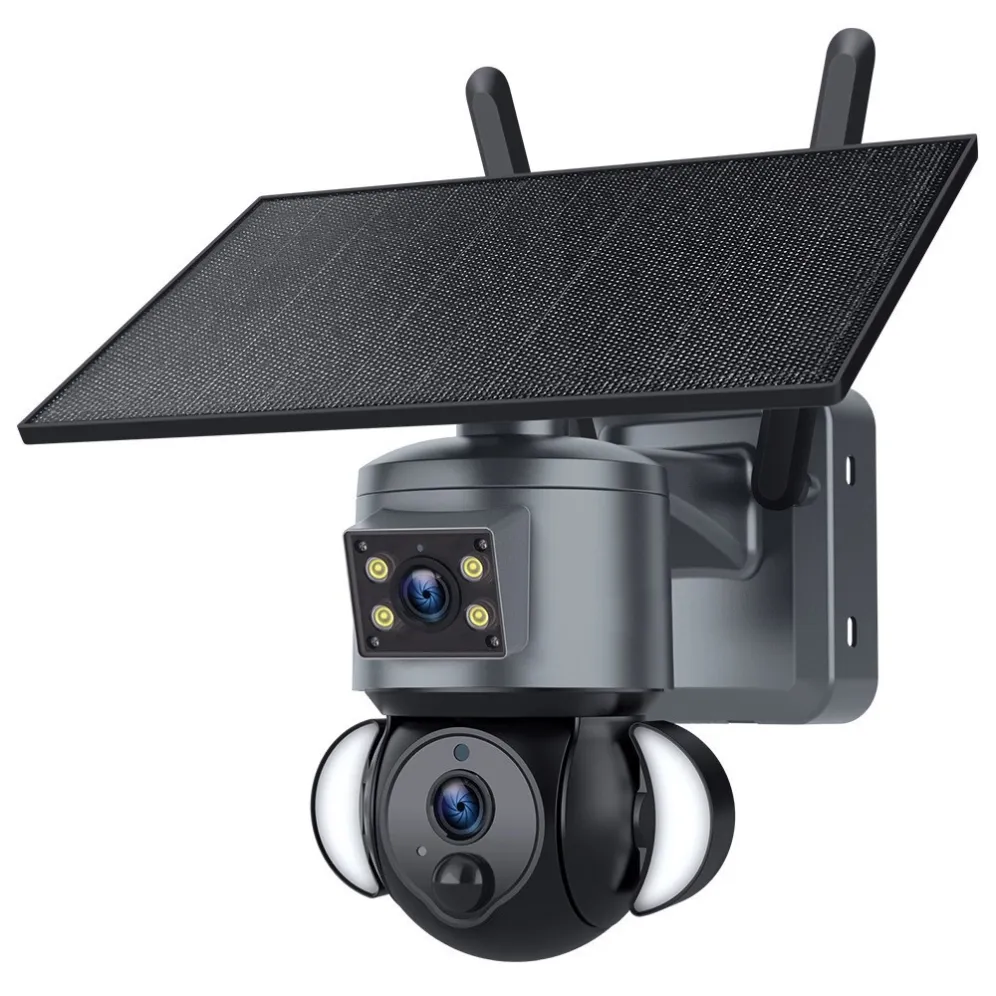
Q1. Solar, wired or battery cameras — which is best for a farm? No single answer — farm spots differ. Solar is the workhorse for outbuildings, gates and pastures with no power line; wired gives unlimited power but costs cable runs and is easier to cut; battery-only suits short-term, low-use spots. Most farms end up with a mix. See our solar vs wired vs battery comparison.Q2. How many cameras do I actually need? Start with what you must see, not the whole farm: gates, driveways, equipment storage, feed and water, pens, the yard. One camera per high-value spot — usually four to eight — then add in order of risk. Our placement guide walks the priority ladder.Q3. Do I need night vision that shows color? Night vision comes in two modes: infrared shows black-and-white outlines and motion without a visible light, and full-color needs a white light on. Many cameras include both — switching between IR and full-color — and some add a built-in floodlight that lights a wider area for full-color night views. Choose per spot: identify where you must, detect where you only need to know something moved. See our night-vision guide.Q4. Is 4G worth the extra cost? If the spot has no WiFi, 4G is the difference between seeing the clip and driving out to check — about 28% of rural US homes lack broadband. On price, the 4G APAC version is close to the WiFi version, so the premium for remote alerts is smaller than many buyers expect. Our off-grid guide covers the no-WiFi, no-power case in detail.
Installation and placement
Q5. Where should I put cameras on a farm? Choke points first: gate, driveway approach, equipment and fuel storage, then pens, feed and water. Mount high enough to see a face and hard to reach, aim slightly down. Placement zones are covered in the deployment guide.Q6. How high should a farm camera be mounted? High enough that a person cannot easily reach it — 8 to 10 feet is a common range — while still seeing faces. Too high and faces vanish; too low and it is easy to knock or steal. Confirm the mount and view before fixing the bracket.Q7. What about a thief cutting the cable? This is why solar and 4G cameras earn their keep on farms: no cable to cut, no power line to kill. A solar camera runs on its own power, footage saves to the local card, and clips already recorded stay there even if power is lost. Anti-tamper details are in our equipment-theft guide.Q8. Can I cover a long fence line with one camera? Lens count decides how many views one camera gives: single-lens sees one scene; dual-lens and multi-lens cameras watch several views at once — a wide view of the yard plus a zoomed view of the gate — so one unit covers what would need several fixed cameras; some models add an optical zoom lens that magnifies distant detail, such as a gate or water point far from the mount; and a PTZ (pan-tilt-zoom) head with preset tour points adds rotation between positions. For a long boundary, use fixed cameras at the gate and approach lane with event zones — alerted on movement you care about, not every deer. Long-range transmission has its own guide.
Connectivity and power
Q9. Do farm cameras need WiFi or 4G? Yes for remote use. Live viewing and push alerts work over WiFi or a 4G SIM — choose per spot: WiFi where you have it, 4G for remote pasture and sheds. Footage saves to the local card; if the camera loses power, recording and storage pause, and clips already saved stay there. Confirm the connection options on the spec sheet.Q10. Can a solar camera work with no electricity and no internet? Yes — that is the point of the off-grid class: solar charges the battery by day, the battery runs the camera at night, footage goes to a local card. Remote live viewing and alerts need a connection — WiFi where you have it, 4G where you do not. Nearly all our cameras also have two-way audio, so you can listen and talk to the site from the APP. The off-grid guide lists four things to confirm before you buy.Q11. Will a solar camera work in winter? It keeps working, but cold shortens lithium capacity and efficiency by roughly 20–50%, and charging below 0°C is risky. Plan the winter power budget: event-mode instead of 24/7, shorter daylight charging, snow cleared from the panel. Winter troubleshooting and the pre-season checklist cover this.Q12. What happens to my footage if the internet goes down? Live viewing and push alerts need the connection, so during an outage you cannot watch remotely or receive alerts until the link is back. Footage is saved on the local memory card; if the camera loses power, recording and storage pause, but clips already saved on the card remain there. Check the cards on your maintenance rounds.Q13. What is AOV (Always-On Video)? Is it better than motion-triggered recording? AOV (Always-On Video) records continuously at low power instead of waiting for a trigger — you get the full timeline, not just clips, which matters at pens, water points and anywhere you cannot miss a moment. It uses more power than event-only recording, so match it with enough solar and card; keep event-only where battery is tight. Confirm AOV support on the spec sheet.
Detection and honest limits
Q14. Can a farm camera detect animals or predators? It detects movement and broadly classifies person vs vehicle vs "other" (firmware-dependent). It does not identify species, know when an animal is about to calve, or understand intent. Set zones tight and review clips — the camera replaces walking and guesswork, not judgment. Our motion and AI guide spells out the honest capability list.Q15. Why do I get so many false alarms? Animals, wind-blown branches, heat changes, passing vehicles, rain and lens condensation all trigger sensors — physics, not a broken camera. Fix it with zones, sensitivity and rules: block the road, lower sensitivity on busy pasture, notify on person-classified events after dark.Q16. What does "person detection" actually mean? A broad category — "person-shaped object" — not identity, and it can mislabel in rain, darkness or unusual shapes. Use it as a notification filter, not proof of who was there.Q17. What will I actually see at night? Depends on the light method, trigger and sensor — night vision is a lighting problem, not a pixel problem. Infrared shows outlines and motion in black and white; full-color needs a visible white light. Nearly all our cameras include both infrared and full-color night vision, and some models add a floodlight for a wider lit area. Read the spec sheet's light and trigger columns, not the headline.
Maintenance and lifespan
Q18. What does a farm camera need each winter? Check the battery, clear snow from the panel, clean condensation off the lens, confirm event mode is on, and review your zones — a scene changes after harvest and storms. The winter checklist has a full pre-season routine plus what is "normal" cold behavior vs a real fault.Q19. How often should I clean the camera and check settings? Check the app weekly (online? battery healthy?), wipe lens and panel monthly, re-review zones seasonally, and re-check after any big event — storm, harvest, new livestock. The year-round calendar maps all of this by month.Q20. How long does the battery last? It depends on sunlight, event frequency, night use and temperature — there is no honest single number, and anyone quoting one is guessing. What you can control: event-mode recording, tight zones, and winter power budgeting. Check the spec sheet's capacity and the seasonal guides for how to extend runtime.
Theft and deterrence
Q21. Do cameras actually stop theft? They deter and document — they do not arrest anyone. Consistent visible cameras, lights and sirens make opportunistic theft less attractive; when theft happens, the clip becomes evidence. US agricultural and construction equipment theft is estimated at $300M–1B a year, and UK rural crime losses ran about £2.7M in the latest NFU Mutual report.Q22. Are lights and sirens worth having? Yes, when used deliberately — and with our cameras the deterrent is built in: nearly all models include a siren, two-way audio and voice alarm, and some add red-blue warning lights, so you get light and sound without extra devices. Use them deliberately: a siren or light on every trigger trains animals and neighbors to ignore it, so keep the punch on high-value spots — equipment, storage, the yard — and pens and pasture on record-only. The lights-and-alarms guide covers the four-layer deterrent setup.Q23. What if someone steals the camera itself? High mounts, visible cameras and tamper alerts help; local card footage stays in the device until it is taken, so remote alerts are the real protection for remote spots. See the anti-theft guidance in the equipment-theft guide.
Buying from a factory
Q24. What should I prepare before asking a factory for a quote? A spot list with the alert philosophy per spot (record-only vs notify vs light/siren), connection type per spot (WiFi, 4G, local card), night conditions, and your buying role and quantity. The more specific the scene, the more useful the recommendation.Q25. Can I buy OEM or private-label farm cameras? Yes — solar security cameras are commonly OEM/private-labeled for brands in the US, EU, Australia and the Middle East. Share your target market, certification needs and volume, and the factory recommends firmware, APP and packaging options accordingly. Our OEM/ODM guide walks the qualification questions.Q26. What price range should I expect? Honest answer: it depends on panel size, battery, lens count, 4G module, APP ecosystem and order volume — there is no meaningful single price. Compare the same feature set: solar wattage, battery, storage, connectivity, after-sales support. Send your spec set and volume, and the quotation becomes comparable.
The farm camera series at a glance
Topic | Where to read more |
Buying: is solar worth it | Are Solar Security Cameras Worth It for a Farm? |
Buying: how many cameras | How Many Security Cameras Do I Need on a Farm? |
Buying: solar vs wired vs battery | Solar vs Wired vs Battery Security Cameras for Farms |
Off-grid: no WiFi, no power | Security Cameras for Farms with No WiFi and No Power |
Placement: where and how high | Where to Place Security Cameras on a Farm or Ranch |
Night vision: IR vs full-color | What Farm Cameras See at Night |
Detection: motion and AI limits | Farm Camera Motion Detection and AI Alerts |
Deterrence: lights and sirens | Farm Security Cameras with Lights and Alarms |
Equipment theft | Farm Equipment Theft: A Prevention Guide |
Predator deterrence | Predator Deterrence on Farms: A Guide |
Livestock monitoring without walking | How to Check Livestock Without Walking the Farm |
Winter: troubleshooting | Why Isn't My Solar Security Camera Working in Winter? |
Winter: pre-season checklist | Winter-Proof Your Farm Security Cameras |
Year-round operation | The Farm Camera Year-Round Calendar |
OEM/private label | OEM & ODM Security Camera Manufacturing Guide |
Still have a question?
If your question is not on this list, it is probably specific to your scene — that is exactly what the factory should be asked. Send your spot list, connection type per spot, and buying role, and we will answer with a configuration, not a template:
- Browse the solar and 4G camera categories: www.keencampro.com
- WhatsApp: https://wa.me/8618948579719
- Email: diana@keencampro.com
#KeenCamPro #FarmSecurity #FAQ #BuyingGuide #SolarCamera