Technology Explained
Farm Camera Motion Detection and AI Alerts: What They Really Detect (and What They Don't)
People, vehicles, animals, shadows — what farm camera motion and AI alerts actually detect, and how to set zones to stop false alarms.
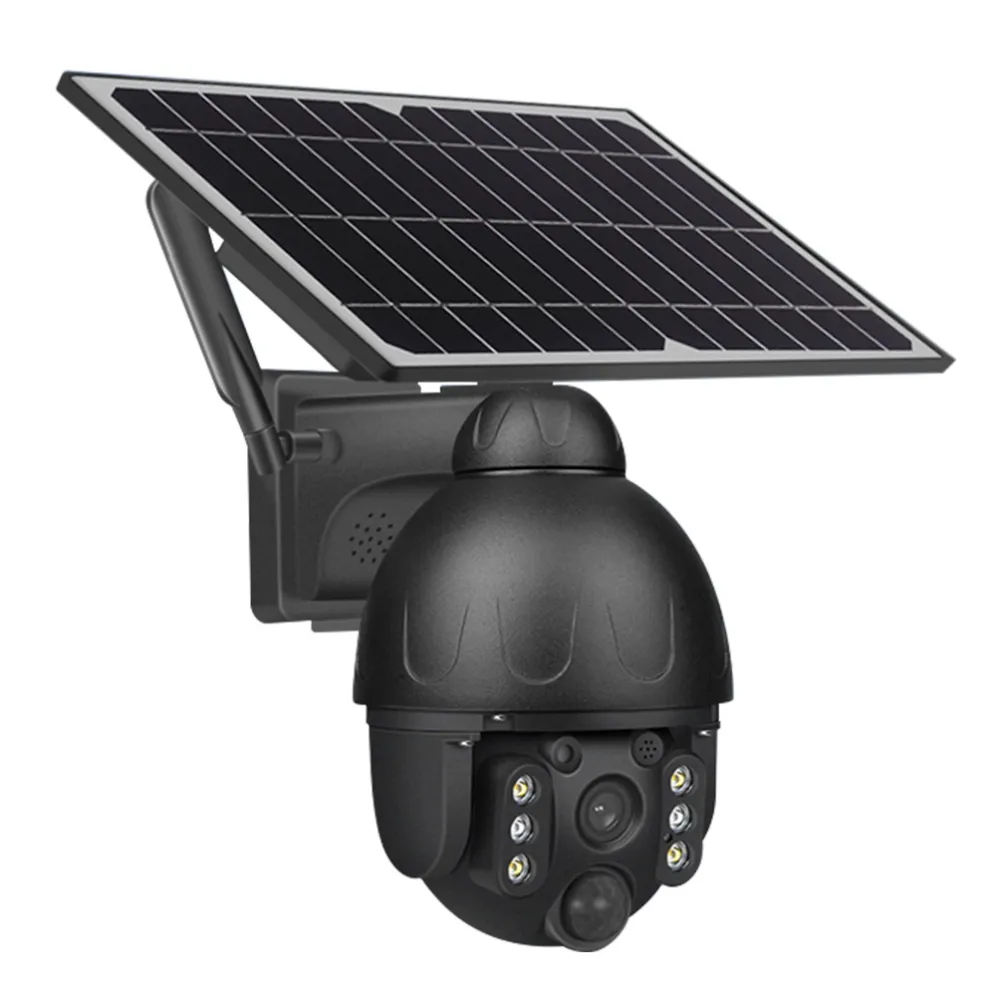
Last updated: November 3, 2026 · KeenCamPro factory teamHere is the honest answer up front: a farm camera with motion detection and so-called "AI" features can reliably do four things — tell you something moved, show you a clip of what moved, sort that movement into a broad category (person, vehicle, or "other"), and trigger a notification, light or siren based on rules you set. It cannot tell you the breed of the animal that walked past, it does not know whether that cow in the pen is about to calve, and it does not understand intent. Anyone who promises you "the camera recognizes animals and alerts you to predators by species" is over-selling the hardware.That distinction matters, because the farms that get real value from smart detection are the ones who set it to do what it can do and stop expecting what it can't. This guide walks through what the AI label actually means on farm cameras, the honest capability list, why farms get false alarms, and the five-step setup that makes alerts useful instead of exhausting.
Who this guide is for
- Farm and ranch owners drowning in alerts — or missing the ones that matter because everything alerts.
- Dealers and brand owners who get asked "does it have AI?" and need an honest, sellable answer.
- Buyers comparing systems who want to know what the marketing page means before they pay for it.
What "AI" actually means on a farm camera
Open five product pages and you will see "AI" used for several different things. They are not the same, and the difference decides what the camera can do for you:
- Hardware trigger — PIR or radar. The sensor detects a change in heat or movement in front of the camera. Fast, low-power, works day and night, but it does not know what moved — a cow, a person, a deer, or a truck all trigger it. This is the workhorse on solar cameras because it uses very little power.
- Software classification — person/vehicle detection. The camera's processor looks at the frame and labels the moving object as "person" or "vehicle" (some firmware adds a third bucket for everything else). This is a broad category, not identity: it can usually tell a person-shaped object from a cow, but it will not tell you which person, and it will mislabel things in bad light, rain, or when an animal is oddly shaped.
- Zone and line rules — detection zones and virtual fences. You draw areas on the image (ignore the road, watch the gate) or a line (alert only when something crosses it). This is the single most useful "smart" feature on a farm camera, and it is often mislabeled as "AI perimeter intrusion."
- Action rules — notify, light, siren. Based on trigger + classification + zone, the camera decides what to do: push a clip, turn on the white light, sound the alarm. Good firmware lets you chain these so a deer in the pasture is recorded but a person at the equipment shed at 2 a.m. trips the siren.
Rule of thumb: read the spec sheet, not the headline. If a page says "AI animal detection," ask which animals, how it distinguishes them, and whether it works in your light conditions — if the answers are vague, treat it as PIR + classification, because that is what almost every camera in this price class actually has.
The honest capability list
What motion/AI features can do | What they cannot do |
Alert you that movement happened at a spot | Identify the species of an animal |
Record a clip of the event for review | Tell you an animal is about to calve or lamb |
Broadly classify person vs vehicle vs "other" (firmware-dependent) | Recognize individual people or animals |
Ignore defined zones you drew (road, neighbor's field) | Understand intent — theft vs a lost cow vs a guest |
Trigger lights/sirens/notifications by your rules | Read meters, levels, or animal health |
Run 24/7 on solar with event-mode power budgets | Work flawlessly in every light and weather condition |
Read that right column twice. It is not a list of defects — it is the boundary that makes the left column dependable. Farms that sleep well with a camera system sleep well because they know the camera is watching movement, and they walk over when the clip tells them to. The camera replaces the walking and the guesswork, not the judgment.
Why farms get false alarms (it is physics, not a broken camera)
Every farm gets false alarms. Before you blame the camera, understand the usual causes:
- Animals are movement machines. Cows, dogs, birds, and insects trigger PIR constantly — that is the sensor doing its job.
- Heat and wind. A PIR sensor reacts to heat change; a sunny patch moving across grass, an exhaust pipe, or a warm engine can trigger it. Wind-blown branches and fence lines waving trigger both PIR and pixel analysis.
- Vehicles passing on the road if the camera sees the road at all.
- Rain, snow, and condensation on the lens create moving "shadows" that software classification mistakes for objects.
- Headlights and light changes at night confuse both classification and trigger thresholds.
A camera that alerts a lot is not defective; it is unconfigured. The fix is zones, thresholds, and rules — not a new camera.
Five steps to make alerts useful, not exhausting
Step 1 — draw detection zones, and be tight about it. In the app, block out the road, the neighbor's pasture, the swaying tree line, and any area you do not need to watch. A tight zone around the gate, the shed door, or the pen is worth more than a wide-open frame that sees everything and tells you nothing.Step 2 — tune sensitivity and thresholds. Most cameras let you lower trigger sensitivity or raise the number of frames needed before an alert fires. On a busy pasture, lower it; at a quiet equipment shed, keep it sensitive. Tune per spot, not per system.Step 3 — decide what each spot should notify you about. This is the big one. Use classification and zones together: record everything that moves in a zone, but push a notification only for person-classified events after dark at high-value spots. You keep the evidence and lose the noise.Step 4 — set action rules per spot and per time. A white light or siren on every trigger will train the deer to ignore it and neighbors to complain. Put the deterrent punch on the spots where it matters — equipment, storage, the yard — and keep pens and pastures on record-only.Step 5 — maintain the scene. Cut grass and branches out of the trigger zone, wipe the lens, and re-check zones after harvest and after storms, when the scene changes. A camera's zone settings from August are wrong in November — same logic as the seasonal calendar we published earlier this week.
Virtual fences: the most useful "AI" feature on a farm
A virtual fence (draw a line, alert when something crosses it) is the feature farms actually rely on, because it converts "movement somewhere in frame" into "movement crossing a boundary you care about."Where it genuinely earns its keep: the gate and approach lane (know when a vehicle enters), a pasture lane you want to know livestock crossed, the line between your yard and the road. Combined with person/vehicle classification, a gate-line rule can be set to alert only on vehicles after dark — the classic theft-detection setup.Where it disappoints: along a tree line or tall grass that sways, across a lane animals cross constantly, or anywhere the line sees motion it cannot ignore. The line does not know what crossed — the classification and zones do that work. Set the line where the boundary is clear and the background is still.The honest phrasing for buyers: "virtual fence alerts me when something crosses the line I drew; person and vehicle classification helps me decide how to respond; I still review clips." That sentence sells the hardware without over-promising — and it is what an informed dealer tells a customer.
How smart detection and deterrence fit together
The layered system on a farm is simple: detect → classify → act by rule. The camera sees movement (PIR/radar), the firmware buckets it (person/vehicle/other), and your rules decide the response (record only, push a clip, light on, siren on). The siren does not "chase thieves away automatically" — it makes a sound and a flash that people find uncomfortable, and it tells them they are on camera. That is deterrence, and deterrence works best when it is consistent and targeted, not random.Set it up as a chain, not a pile of features, and you get the three things a farm system should deliver: evidence, early notice, and deterrence — without 200 alerts a day.
FAQ
Does a farm camera detect animals and send predator alerts? Most farm cameras detect movement and classify broadly (person/vehicle/other, firmware-dependent). They do not identify species or "predator vs livestock" — set the zone tight and review the clip, and you will know what crossed your fence line.What is the difference between PIR and "AI detection"? PIR/radar is the hardware trigger (heat/movement change — fast, low-power, knows something moved). "AI detection" on most cameras is software classification of that movement into broad categories. Read the spec sheet; both have real limits.Why does my farm camera alert on grass and shadows? Wind-blown vegetation and moving sunlight change the scene enough to trigger the sensor or pixel analysis. Block those areas in detection zones and tune sensitivity — this is scene maintenance, not a camera fault.Can I stop false alarms without losing real ones? Yes. Zones (block the road and trees), classification rules (notify on person/vehicle after dark, record everything), and per-spot sensitivity tuning keep the real alerts while cutting the noise.Does "person detection" mean the camera knows who it is? No. It is a broad category — a person-shaped object — not identity. It can mislabel in rain, darkness, or unusual shapes. Use it as a filter for notifications, not as proof.Will a virtual fence alert me when livestock cross it? Yes — and it will also alert when anything else crosses. That is why you pair the line with classification and zones, and why you place lines where the background is still.Is a camera with AI worth the extra cost on a farm? The value is in zone rules, classification-based notifications, and action chains — not in the "AI" label. If the spec sheet delivers those three, the extra cost often pays off in fewer wasted drives and better-targeted alerts.What should I send the factory before ordering detection features? Your spot list, which spots need notify-only vs record-only, night conditions per spot, and whether you need WiFi or 4G — so the recommended firmware and sensitivity defaults match your scene, not a generic showroom.
What to send the factory before you order
- Spot list with alert philosophy per spot — record-only vs notify vs light/siren.
- Connection per spot — WiFi, 4G, or local card.
- Night conditions per spot and whether you need person/vehicle classification.
- Buying role and quantity — end-user, dealer or brand; destination market.
Get a quotation
Send us your spot list and alert rules, and we will recommend a solar camera mix whose detection settings match your gates, pens and storage — not a generic template:
- Browse the solar and 4G camera categories: www.keencampro.com
- WhatsApp: https://wa.me/8618948579719
- Email: diana@keencampro.com
#KeenCamPro #FarmSecurity #MotionDetection #AI #FalseAlarms #SolarCamera